Unlocking the Wonders: Why Travelling to Egypt Is Easier Than Ever
For decades, the allure of ancient pyramids, majestic Nile cruises, and golden Mediterranean beaches has placed Egypt near the top of millions of bucket lists worldwide. However, navigating complex entry requirements, convoluted internal transport, and legacy booking systems often proved daunting for independent travelers. Today, that narrative is shifting dramatically. Following major legislative overhauls and multi-billion-dollar infrastructure investments highlighted by media outlets worldwide, including The Australian, travelling to Egypt has become surprisingly streamlined, secure, and accessible for global wanderers.
Driven by a national strategy aiming to welcome 30 million international tourists by 2028, Egypt is undergoing an unprecedented tourism renaissance. From digitized entry processes to state-of-the-art transit corridors, here is a detailed dive into why a journey to the land of the Pharaohs is now smoother than ever before.
Streamlined Egypt Visa Reforms and Global Access Improvements
The cornerstone of Egypt's travel simplification lies in its overhauled visa ecosystem. The Egyptian Ministry of Tourism and Antiquities has expanded its electronic visa (e-Visa) portal to encompass citizens from over 180 countries, eliminating the need for long queues at diplomatic embassies or uncertainty at immigration counters.
The E-Visa Expansion and On-Arrival Convenience
Travelers can now secure an official tourist e-Visa in advance through a user-friendly portal. In addition to standard 30-day single-entry visas, Egypt introduced a revolutionary 5-year multi-entry visa designed for frequent business visitors and long-haul explorers. Furthermore, visa-on-arrival facilities at major entry hubs—including Cairo International Airport, Hurghada, and Sharm El-Sheikh—have been upgraded with digital payment kiosks, drastically reducing immigration wait times.Direct Flights and Enhanced Connectivity
Reaching North Africa has never been more straightforward. Major international flag carriers, alongside budget operators across Europe and the Middle East, have expanded direct flight schedules into Egypt. Key aviation hubs now handle increased frequency, while codeshare partnerships between regional carriers allow travelers from distant origins like Australia, Asia, and the Americas to book seamless single-ticket itineraries straight to key destination gateways."Egypt’s strategic overhaul of its travel ecosystem is transforming long-standing logistical hurdles into a seamless, modern arrival experience for international travelers." — Travel Fun Editorial Team
Modernized Tourism Infrastructure Across the Nile Valley
Navigating within Egypt once required a mix of patience and local negotiation skills. Today, modern engineering projects are reshaping how visitors experience the nation's priceless heritage and coastal resorts.
The Grand Egyptian Museum and Smart Airports
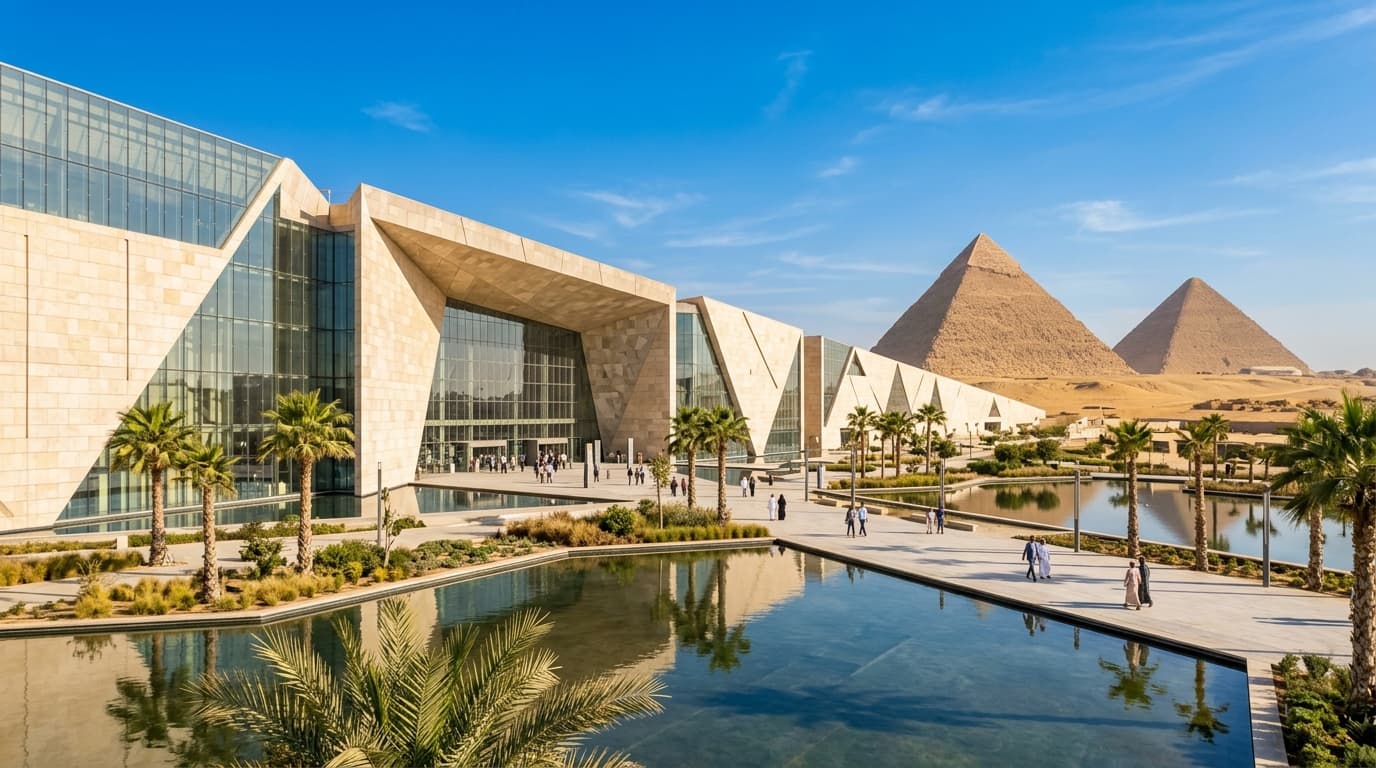
Located within sight of the Great Pyramids of Giza, the flagship Grand Egyptian Museum (GEM) represents the pinnacle of modern cultural tourism. Built to house over 100,000 artifacts—including the complete Tutankhamun collection—the site features integrated smart ticketing, multi-lingual digital guides, and world-class accessibility standards. Complementing GEM is the newly operational Sphinx International Airport (SPX), which allows travelers to fly directly to Giza, bypassing heavy central Cairo traffic.High-Speed Rail and Urban Mobility
Egypt is rapidly constructing a high-speed electric railway network stretching thousands of kilometers. This megaproject will connect Cairo, Alexandria, the Red Sea resort of Ain Sokhna, and historical hubs like Luxor and Aswan with ultra-modern trains operating at speeds up to 230 km/h. Concurrently, ride-hailing services like Uber and Careem now operate extensively across major cities, providing transparent pricing and safe suburban transit for international tourists.Essential Travel Logistics and Visitor Tips for Egypt
While visiting Egypt is more straightforward than ever, proactive planning ensures an effortless journey through this ancient realm. Below are key practical recommendations for modern visitors:
* Apply for an e-Visa in Advance: Use the official government e-Visa portal at least seven days prior to departure to ensure smooth boarding and rapid arrival clearance. * Leverage Sphinx International Airport: If your primary focus is Giza, the Grand Egyptian Museum, or Saqqara, book flights landing at SPX to save hours in city traffic. * Utilize Digital Payments & Apps: While local markets still favor cash (Egyptian Pounds), hotels, museums, and ride-hailing apps seamlessly accept major international credit cards. * Book Railway and Nile Cruise Tickets Early: Pre-book first-class sleeper trains or luxury Nile river cruises months in advance, especially during peak winter travel months (October to April). * Respect Local Etiquette and Attire: Wear modest, lightweight clothing when visiting religious monuments, mosques, and traditional residential neighborhoods.
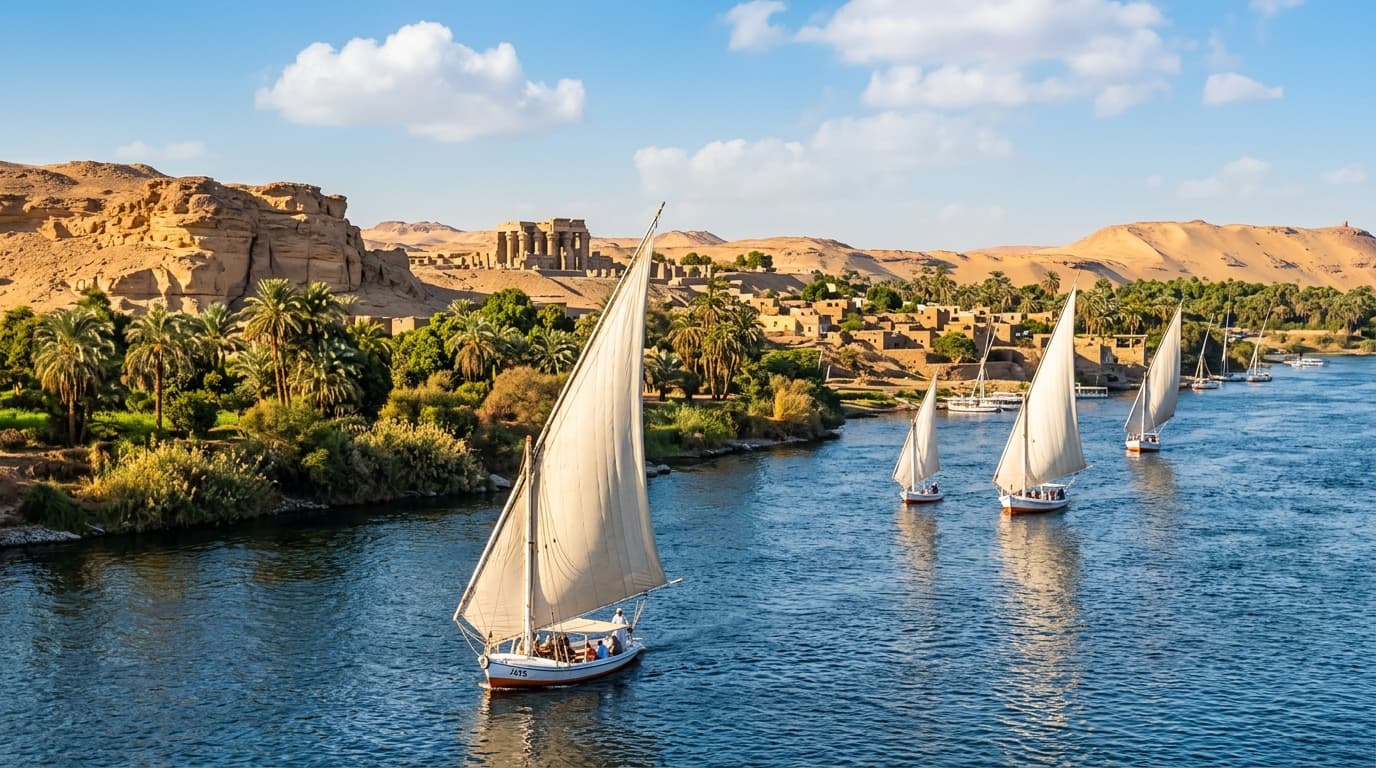
Whether you dream of gazing up at Abu Simbel, diving into the vibrant coral reefs of the Red Sea, or sipping tea overlooking the Nile, visiting Egypt is no longer a complex expedition. Thanks to forward-thinking policy shifts and transformative modern infrastructure, discovering the world's most iconic historical landscape is now easier than ever imagined.