Navigating Egypt Travel: Latest Safety Guidelines, Advisory Updates, and Visitor Insights
As interest in cultural exploration and heritage tourism continues to surge globally, prospective visitors frequently ask a vital question: Is it safe to travel to Egypt right now? Following recent regional geopolitical shifts, government foreign offices—including the UK Foreign, Commonwealth & Development Office (FCDO) and the U.S. Department of State—have updated their official travel advisories. While regional tensions near specific international borders persist, Egypt's primary tourist corridors remain open, highly monitored, and welcoming millions of international guests each month.
For travelers planning a bucket-list journey to see the Pyramids of Giza, cruise the majestic Nile River, or dive into the pristine waters of the Red Sea, understanding current security protocols, official travel warnings, and practical local advice is key to ensuring a smooth and memorable journey.
Egypt Safety Overview and Global Foreign Office Travel Advisories
International government guidance regarding Egypt remains detailed and highly specific, distinguishing clearly between core tourist hubs and restricted border zones. Official authorities generally advise against all travel to high-risk areas, notably the North Sinai Governorate, regions immediately bordering Libya, and specific remote western desert expanses near international border posts. However, major urban areas and world-famous heritage sites remain under standard travel vigilance.
"Egypt's core tourist destinations maintain robust, multi-layered security protocols. By adhering to official foreign travel advice and staying within established tourist corridors, visitors can experience the country's unparalleled historical treasures with peace of mind." — Travel Fun Security & Logistics Desk
Regional Context and Border Buffer Zones
Geopolitical developments in the wider region have understandably prompted heightened scrutiny from international travelers. Egyptian authorities have reinforced security perimeter zones along eastern borders, specifically within North Sinai and near the Rafah crossing. These remote areas are strictly off-limits to general tourism and heavily patrolled by military and local security forces to prevent unauthorized access.High-Security Tourism Zones: Cairo, Nile Valley, and Red Sea Resorts
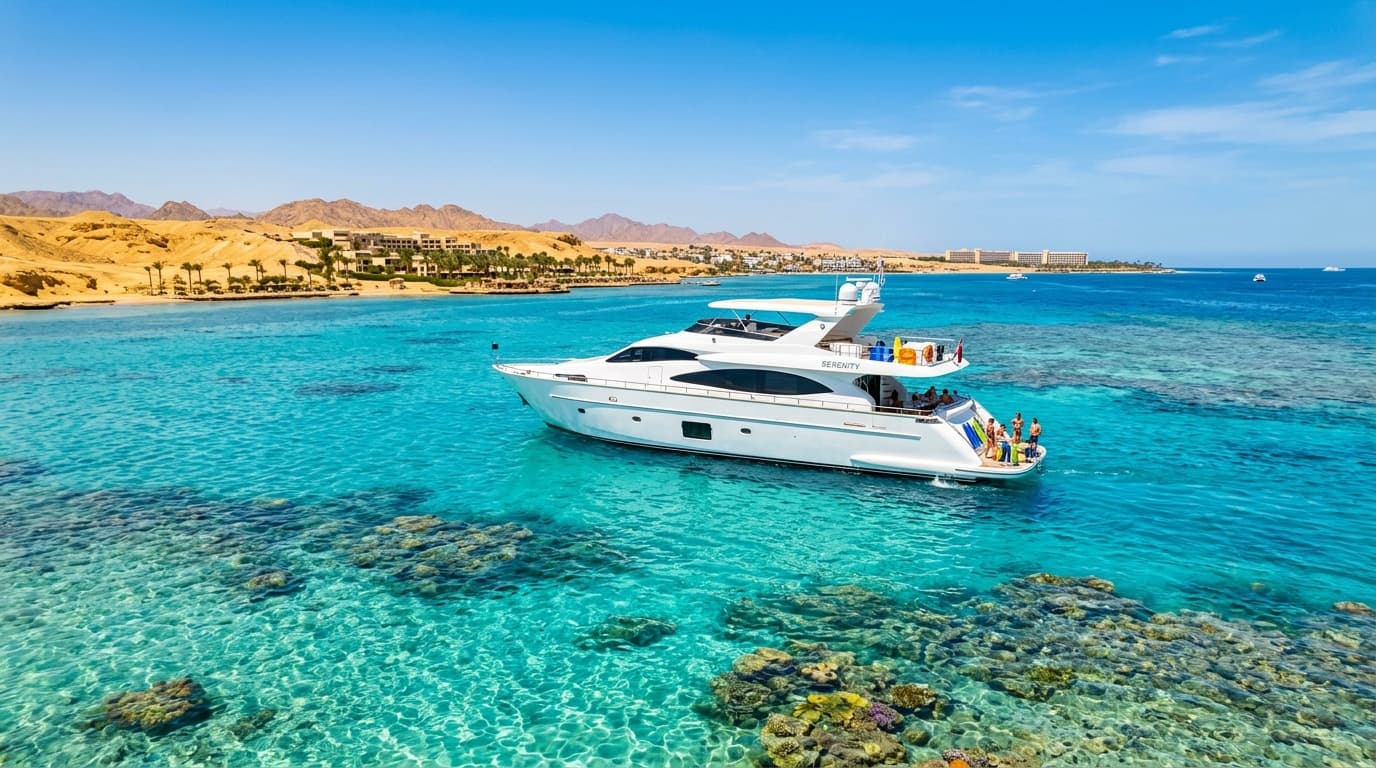
In stark contrast to border regions, Egypt’s primary tourism hubs operate normally. Capital city Cairo, historic Luxor, scenic Aswan, and premier coastal resort towns like Hurghada, Sharm El Sheikh, and El Gouna feature dedicated tourism police forces, visible checkpoint security, and modernized hotel surveillance systems. Flights to key international gateways including Cairo International Airport (CAI) and Sharm El Sheikh International Airport (SSH) continue standard schedules without structural disruptions.Essential Egypt Travel Tips and Security Guidelines for Tourists
To maximize safety, convenience, and peace of mind when visiting the land of the Pharaohs, travelers should implement proactive safety measures and adhere to local customs. Navigating Egypt smoothly requires a balance of cultural respect, official compliance, and standard urban awareness.
Practical Logistics and On-the-Ground Awareness
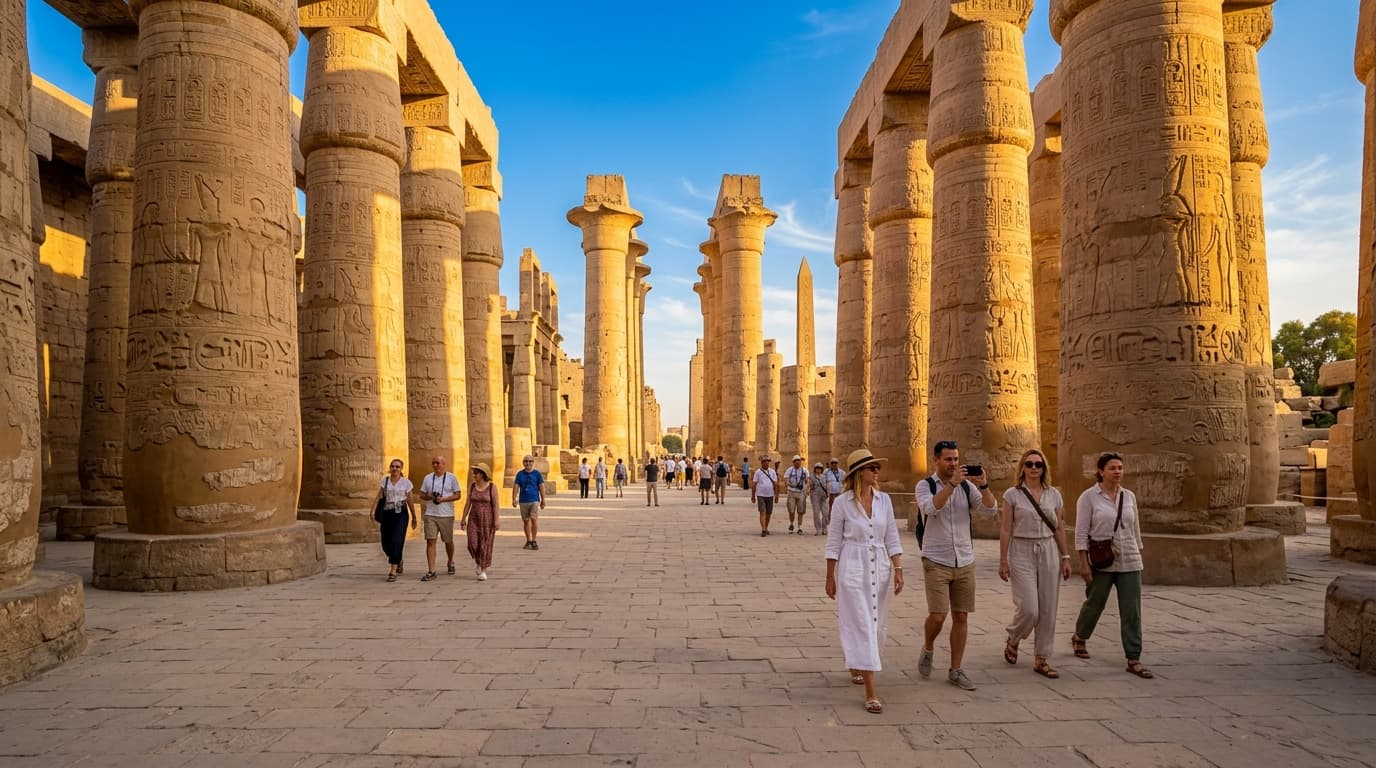
Whether exploring bustling bazaars like Khan el-Khalili or embarking on a traditional felucca along the Nile, following smart travel practices ensures an uninterrupted vacation. Here are essential recommended guidelines for visitors:* Monitor Official Advisories: Routinely check your home country’s embassy updates (such as the STEP program for U.S. citizens or FCDO alerts for UK travelers) prior to departure and during your stay. * Book Registered Tour Operators: Utilize licensed local guides and accredited tour agencies for transfers, desert excursions, and temple visits to guarantee vetted transportation and official permits. * Respect Local Customs and Dress Codes: Dress modestly when visiting historic mosques, religious sites, or rural villages outside coastal resort towns to respect cultural expectations. * Exercise Standard Urban Caution: Keep personal belongings secure in crowded markets, avoid public political gatherings or demonstrations, and utilize reputable rideshare apps or hotel-arranged taxis. * Secure Comprehensive Travel Insurance: Ensure your travel insurance policy explicitly covers emergency medical coverage, trip disruptions, and travel within Egypt.
Cultural Heritage, Tourism Expansion, and What to Expect
Despite broader regional headlines, Egypt's tourism sector is undergoing an ambitious modernization push. The Egyptian government has invested billions into infrastructure projects designed to make visitor journeys safer and more efficient, including high-speed rail lines connecting Cairo to the Red Sea, newly paved highways, and streamlined electronic visa (e-Visa) portals.
Grand Egyptian Museum and Transport Infrastructure Upgrades
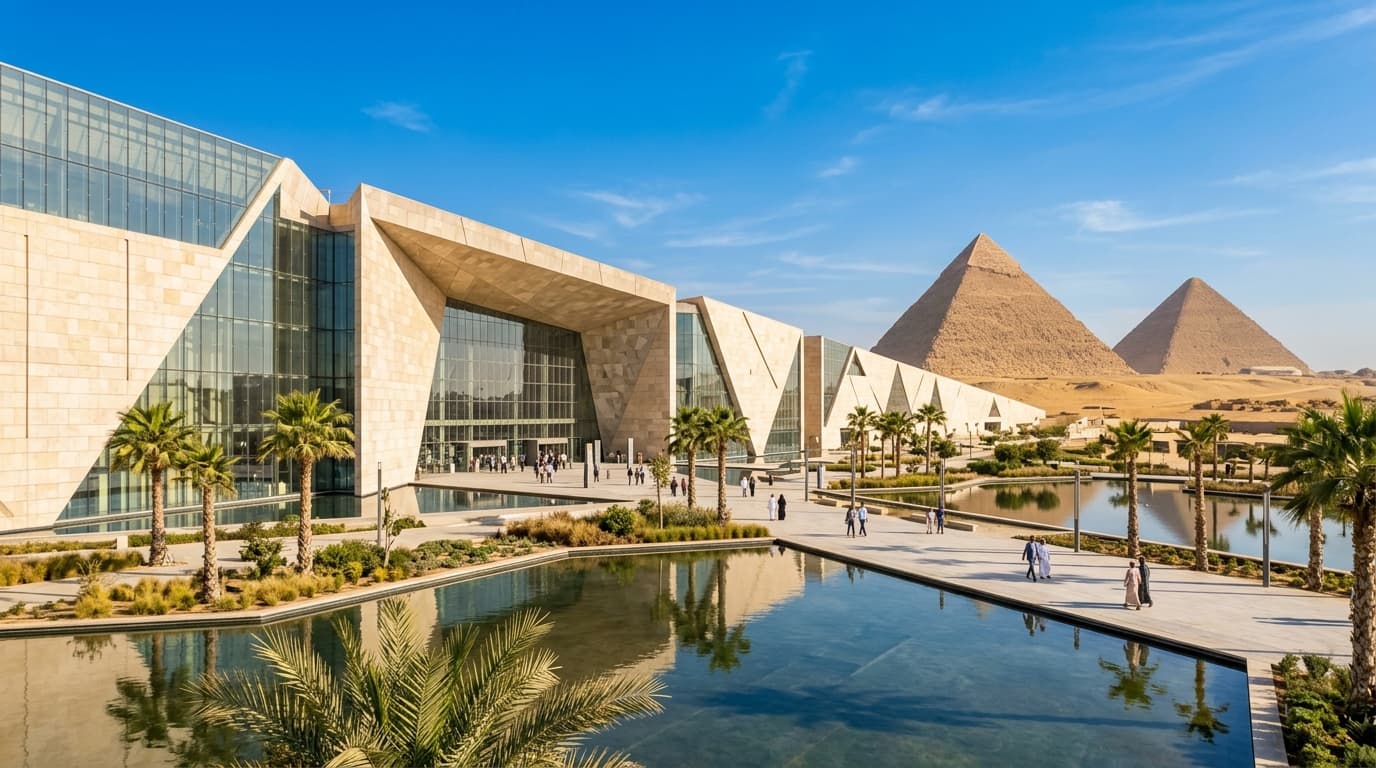
The long-anticipated full opening of the Grand Egyptian Museum (GEM) in Giza stands as the crown jewel of this national tourism strategy. Featuring state-of-the-art security installations, expanded pedestrian plazas, and direct access from Sphinx International Airport, the GEM offers world-class facilities for millions of annual visitors.Ultimately, while vigilance and thorough preparation remain essential, Egypt remains a vibrant, deeply rewarding destination. By staying informed, selecting trusted operators, and remaining mindful of local guidelines, global travelers can confidently explore Egypt's immortal wonders.