Egyptian Tourism Authority Joins WTTC as Destination Partner to Propel Global Travel Growth
In a landmark development for the international travel sector, the Egyptian Tourism Authority (ETA) has officially joined the World Travel & Tourism Council (WTTC) as a Destination Partner. This strategic alliance places North Africa's most iconic heritage destination at the center of international travel policy, sustainable infrastructure development, and high-level private-public sector collaboration.
The strategic partnership comes at a critical juncture as Egypt accelerates its national tourism strategy, aiming to welcome 30 million international tourists annually by 2028. By uniting with the WTTC—the premier global body representing the private sector of travel and tourism—Egypt gains a powerful platform to influence global tourism strategies, champion green initiatives, and attract vital foreign investments into its rapidly evolving hospitality ecosystem.
Egypt Tourism Strategic Vision: Elevating Infrastructure and Heritage Sustainability
Egypt's integration into the WTTC network underscores the country's transformation from a traditional sight-seeing location into a modern, resilient, and eco-conscious travel powerhouse. As the demand for experiential and sustainable travel continues to surge worldwide, the ETA is actively reshaping its destination blueprint.
Expanding Infrastructure Across Iconic Destinations
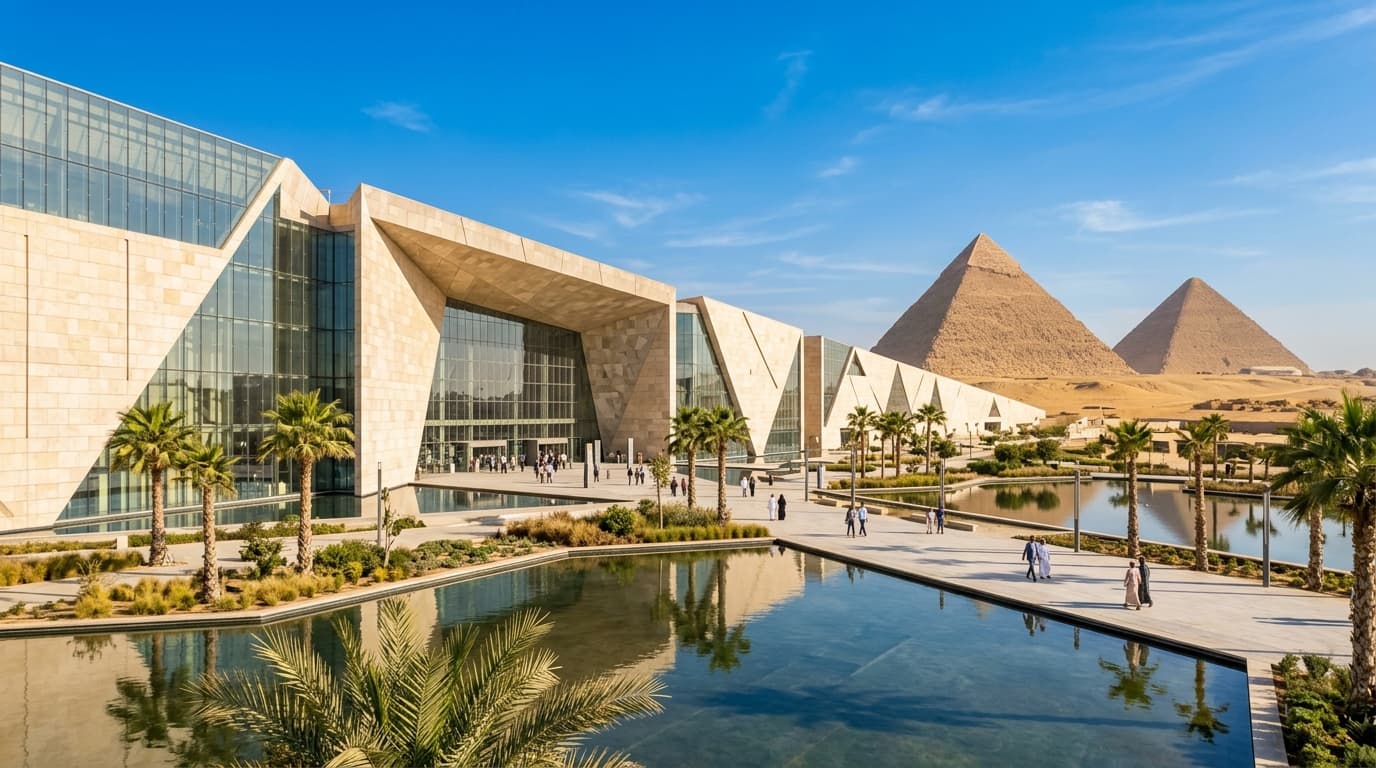
Over the past five years, Egypt has invested billions of dollars in mega-infrastructure projects designed to enhance the overall visitor experience. From constructing modern highways connecting Cairo to the Red Sea Riviera to the long-anticipated opening of the Grand Egyptian Museum (GEM) in Giza, the nation is modernizing its travel ecosystem.
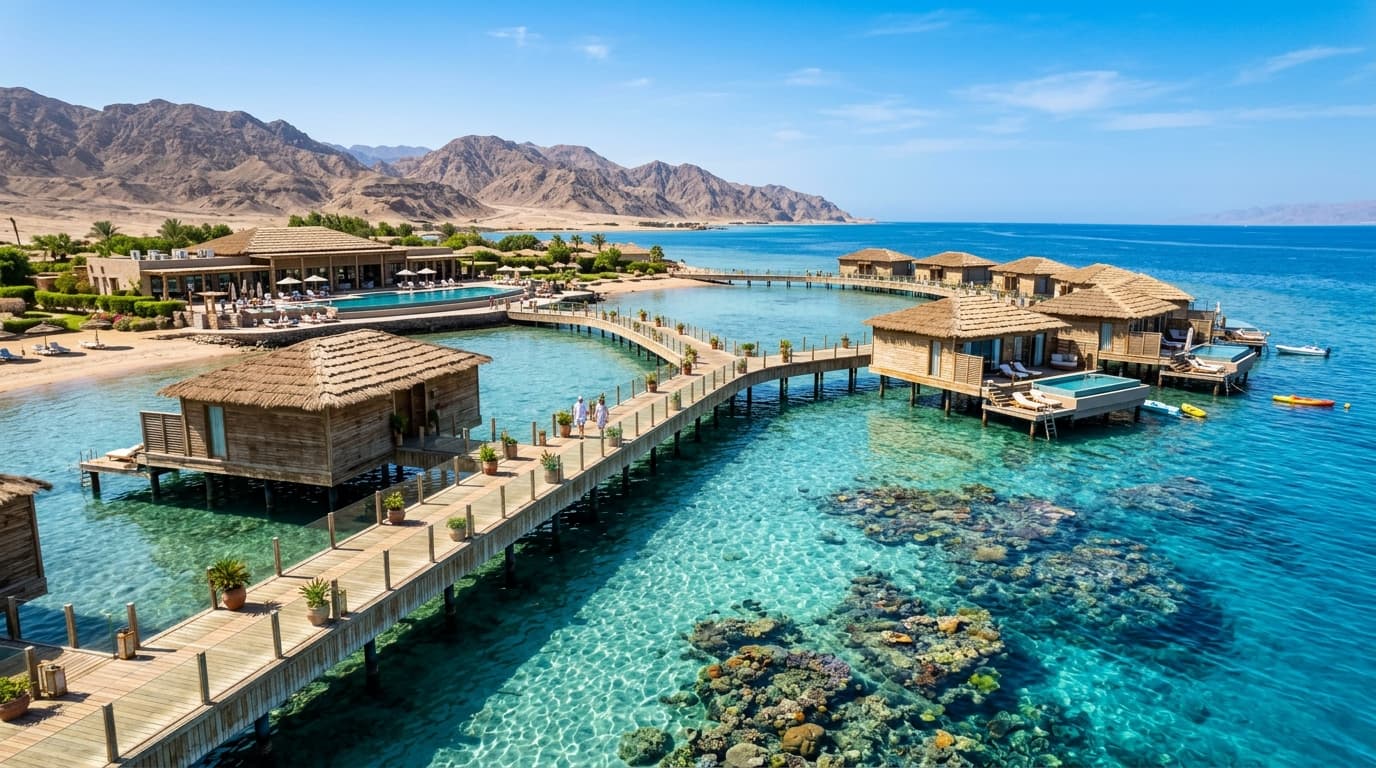
Furthermore, newly established regional aviation hubs—such as Sphinx International Airport near the Pyramids and Capital International Airport near the New Administrative Capital—are designed to streamline point-to-point transit. These modern hubs allow international travelers to seamlessly combine cultural heritage exploration in Cairo with luxury leisure breaks along the coastlines of Sharm El Sheikh, Hurghada, and El Gouna.
Aligning with WTTC’s Global Sustainability Benchmarks
Sustainability is no longer optional for world-class destinations; it is a core commercial driver. Through its WTTC partnership, Egypt is committing to align its hospitality and travel sectors with strict environmental, social, and governance (ESG) standards.
"Joining the WTTC as a Destination Partner reinforces Egypt's dedication to building a resilient, eco-conscious tourism framework. This partnership allows us to collaborate directly with global industry leaders to safeguard our irreplaceable cultural assets while delivering world-class hospitality." — High-ranking Egyptian Tourism Representative
The ETA is working closely with hotel operators across the Nile Valley and the Red Sea to implement green hotel certifications, minimize single-use plastics, and optimize water conservation systems. Renewable energy projects, particularly solar power integration across coastal resorts, form a key component of this national green transition.
Global Traveler Impact and Destination Guidelines for Visiting Egypt
For international travelers, Egypt’s elevated partnership with the WTTC translates into tangible enhancements across the entire travel journey. The collaboration is set to drive higher service quality, standardized health and safety protocols, and expanded cultural access.
What the Partnership Means for International Visitors
As WTTC standards are adopted nationwide, travelers can expect enhanced quality assurance across accommodations, licensed tour operators, and regional transport services. Moreover, the alignment fosters cross-border public-private initiatives that make booking, navigating, and exploring Egypt easier and more reliable than ever before.
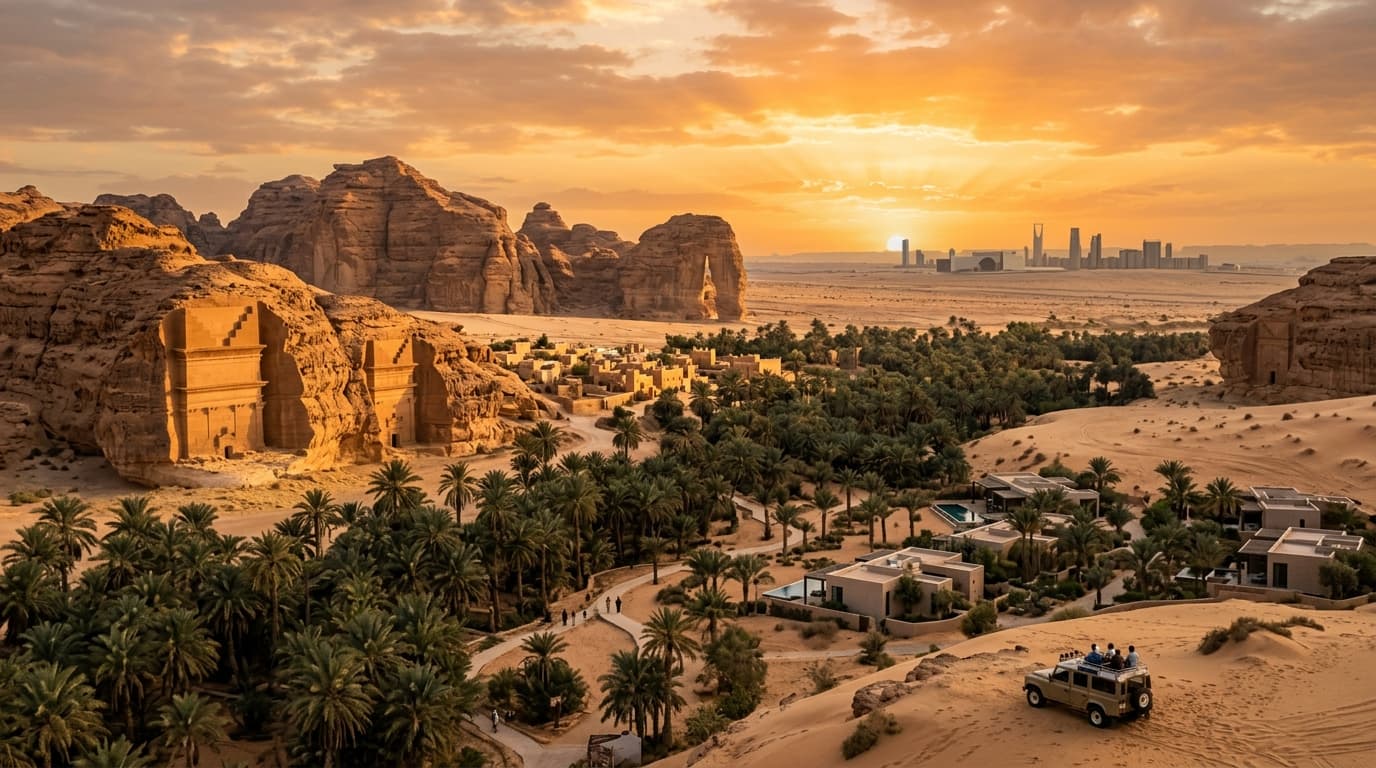
The initiative also prioritizes community-empowerment models. By encouraging sustainable community-based tourism in regions like Nubia, Siwa Oasis, and the Sinai Peninsula, visitors will enjoy richer, authentic cultural exchanges that directly support local indigenous populations.
Key Logistics and Practical Visitor Tips
Planning a trip to Egypt under the modern tourism framework requires up-to-date practical knowledge. Here are essential tips for travelers:
* Streamlined Visa Processes: Over 78 nationalities can now secure an e-Visa online prior to departure or obtain a visa-on-arrival at major international airports across Egypt. Ensure your passport is valid for at least six months beyond your departure date. * The Grand Egyptian Museum Experience: Allocate ample time when visiting Giza for the Grand Egyptian Museum, which offers state-of-the-art interactive exhibits alongside thousands of ancient artifacts, including the complete Tutankhamun collection. * Currency and Digital Payments: While credit and debit cards are widely accepted at major hotels and fine dining establishments, carrying local currency (Egyptian Pounds - EGP) remains essential for traditional markets, tips, and small vendors. * Respectful Cultural Etiquette: When visiting religious sites, ancient temples, or rural villages, wear modest clothing covering shoulders and knees. Engaging licensed local guides enhances both personal safety and depth of historical insight. * Optimal Seasonal Planning: The ideal weather for exploring historical sites in Luxor, Aswan, and Cairo occurs between October and April. Summer months (May to September) are best suited for diving and marine activities along the Red Sea coast.
A Transforming Future for North African Tourism
The alliance between the Egyptian Tourism Authority and the WTTC marks a decisive step toward a brighter, more sustainable future for global travel. By combining millennia of history with modern, forward-thinking practices, Egypt is establishing itself as a premier global travel destination for generations to come.